
Immersive Digital Experiences in Retail can push more customers to visit the physical stores


The retail industry is constantly evolving, and one of the most exciting trends is the rise of immersive digital experiences. These experiences use technology to create a more engaging and interactive shopping environment for customers. Technological advancements have changed the face of retail as we once knew it. Augmented reality, virtual reality, and mixed reality are now providing immersive online experiences in virtual stores. These experiences combine the best parts of physical stores with the convenience of shopping online, creating a phygital smorgasboard of immersive virtual shopping options.
These days, getting people to care about physical retail shopping is becoming more and more challenging. However, immersive retail – the combination of various technologies used to create an enhanced shopping experience for retail operators and customers alike – is changing the retail landscape, attracting customers, and building brand loyalty in new and innovative ways.
Digital transformation has reshaped the business landscape, empowering organizations to excel in the digital age. An integral part of this transformation is the adoption of immersive solutions, encompassing technologies such as virtual reality (VR), augmented reality (AR), and mixed reality (MR). These technologies enhance customer experiences, streamline processes, and unlock new levels of innovation and engagement.
According to market research, the global AR and VR market size is projected to reach USD 1.5 trillion by 2030, driven by increased adoption across industries. These immersive technologies have emerged as powerful tools for enhancing customer experiences, improving employee productivity, and driving innovation across industries. In this blog article, we will explore the significant role that immersive solutions play in digital transformation and how they are reshaping the way businesses operate.

There are many different ways to create immersive digital experiences in retail. Here are a few examples:
Virtual reality (VR): VR headsets can transport customers to a virtual world where they can interact with products in a realistic way. For example, a furniture retailer could create a VR showroom where customers can walk around and see how different pieces of furniture would look in their home.

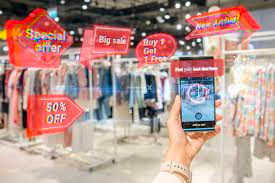
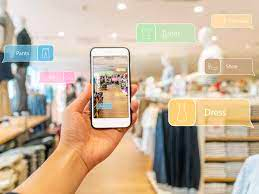
Augmented reality (AR): AR apps can overlay digital information onto the real world. This can be used to provide customers with more information about products, such as how to use them or how they would look on them. For example, a cosmetics retailer could create an AR app that allows customers to try on different makeup products before they buy them.

Mixed reality (MR): MR combines VR and AR to create a hybrid experience that blurs the lines between the real and the digital world. MR can be used to create interactive experiences that allow customers to interact with products in a more natural way. For example, a car dealership could create an MR experience that allows customers to see how a car would look in their driveway.
Driving Innovation and Collaboration is key to driving the ROI from these technologies
Immersive solutions foster innovation by enabling organizations to visualize, prototype, and iterate on ideas more effectively. VR and MR can be used for virtual prototyping, allowing teams to test and refine designs before investing in physical prototypes. Additionally, immersive technologies facilitate remote collaboration, breaking down geographical barriers and enabling real-time interactions between team members. This boosts productivity, reduces costs, and accelerates the innovation process.
In addition to these specific technologies, there are a number of other ways to create immersive digital experiences in retail. For example, retailers can use interactive displays, digital signage, and social media to engage customers and create a more personalized shopping experience.
Immersive digital experiences can offer a number of benefits for retailers. They can help to:
Attract new customers: Immersive experiences can create a sense of excitement and novelty that can attract new customers to a store.
Increase sales: Immersive experiences can help customers to make more informed purchase decisions and can lead to increased sales.
Improve customer loyalty: Immersive experiences can create a more memorable and engaging shopping experience that can lead to increased customer loyalty.
If you're looking to create a more immersive and engaging shopping experience for your customers, consider incorporating some of the technologies and techniques mentioned above. With a little creativity, you can create experiences that will wow your customers and keep them coming back for more.
Immersive digital experiences are the future of retail. By incorporating these technologies and techniques into your shopping experience, you can create a more engaging and memorable experience for your customers as they have emerged as powerful catalysts in the digital transformation journey of organizations across industries. From enhancing customer experiences and revolutionizing training to driving innovation and improving operational efficiency, these technologies have redefined the way businesses operate. As immersive solutions continue to evolve and become more accessible, organizations must embrace their potential to stay ahead in the digital landscape. By leveraging immersive technologies strategically, businesses can unleash new opportunities, outperform their competition, and deliver exceptional value to their customers and stakeholders in the digital era.


Comments