
How Luxury Retail Can Embrace the Beauty From a Tech Makeover!


The luxury retail industry is undergoing a major transformation, as consumers increasingly demand personalized, seamless, and tech-enabled shopping experiences. In order to stay ahead of the curve, luxury retailers need to embrace technology and use it to their advantage.

Here are some of the ways that luxury retailers can benefit from a tech makeover:
Personalization: Technology can be used to collect data about customers' preferences and interests, which can then be used to personalize the shopping experience. For example, luxury retailers can use AI-powered chatbots to answer customer questions, recommend products, and make personalized offers.
Seamlessness: Technology can be used to make the shopping experience more seamless and convenient. For example, luxury retailers can offer mobile payments, in-store pickup, and same-day delivery.
Efficiency: Technology can be used to improve the efficiency of back-office operations, such as inventory management and order fulfillment. This can free up staff time to focus on providing better customer service.
Brand awareness: Technology can be used to build brand awareness and reach new customers. For example, luxury retailers can use social media, augmented reality, and virtual reality to create engaging and immersive experiences.

By embracing technology, luxury retailers can create a more personalized, seamless, and efficient shopping experience that will appeal to today's consumers.
Here are some specific examples of how luxury retailers are using technology to improve their businesses:
Ralph Lauren: The company uses RFID technology to track inventory and prevent counterfeit products. It also uses augmented reality to let customers try on clothes virtually.
Louis Vuitton: The company uses AI to personalize marketing campaigns and recommend products to customers. It also uses blockchain technology to track the authenticity of its products.
Gucci: The company uses facial recognition technology to identify VIP customers and provide them with special treatment. It also uses augmented reality to let customers see how products look on them before they buy them.
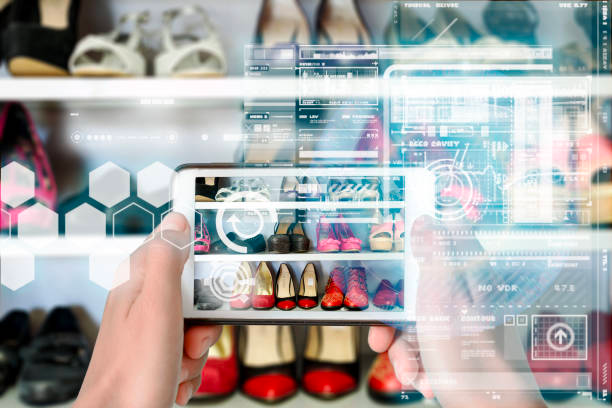
Here are some of the use cases which personalisation can enable for Luxury retailers :
Personalized product recommendations: This is one of the most common and effective uses of personalization. By recommending products that are relevant to a customer's interests, retailers can increase the chances of a sale.
Personalized pricing: Retailers can use personalization to offer different prices to different customers, based on factors such as their purchase history, location, or browsing behavior. This can help to increase sales and boost profits.
Personalized marketing campaigns: Retailers can use personalization to target their marketing campaigns to specific groups of customers. This can help to increase the click-through rate and conversion rate of marketing campaigns.
Personalized content: Retailers can use personalization to display different content to different customers, based on their interests or demographics. This can help to keep customers engaged and coming back for more.
Personalized loyalty programs: Retailers can use personalization to create loyalty programs that are more relevant to their customers. This can help to increase customer retention and loyalty.
These are just a few of the many ways that retailers can use personalization to improve their website and app experience. By using personalization effectively, retailers can create a more engaging and personalized shopping experience for their customers, which can lead to increased sales, customer loyalty, and brand awareness.

Here are some additional benefits of personalization for retailers:
Increased customer satisfaction: Customers appreciate being treated like individuals, and personalization can help to create a more personalized and engaging shopping experience.
Increased sales: Personalization can help to increase sales by targeting customers with the right products and offers.
Improved customer retention: Personalization can help to improve customer retention by keeping customers engaged and coming back for more.
Enhanced brand reputation: Personalization can help to enhance brand reputation by showing customers that you understand their needs and interests.
These are just a few examples of how luxury retailers are using technology to their advantage. As the industry continues to evolve, we can expect to see even more innovative uses of technology in the years to come.

If you are a luxury retailer, I encourage you to embrace technology and use it to create a more personalized, seamless, and efficient shopping experience for your customers. By doing so, you can stay ahead of the curve and ensure the long-term success of your business.
Comments